Financial
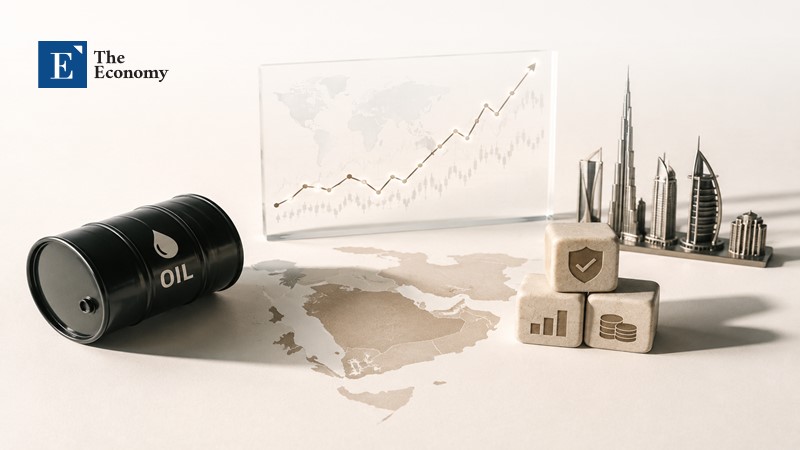
The Gulf oil shock is no longer only an energy-price shock Low-income workers feel the first damage through earnings and job-finding losses Gulf economies now face a deeper test of fiscal strength, investor trust, and capital stability
Read More
Japan’s weak yen is making economic security more expensive Cheap Chinese imports now help Japan contain inflation Only productivity growth can weaken the yen dependency trap This yen story has a number that explain
Read More
BOJ Moves Back Toward Tightening, Highest Interest Rate in 31 Years Within Reach Expectations for Sustained U.S.-Japan Rate Differential Drive Record Yen Short Positions Stabilizing Oil Prices Amid Hopes for an End to the War Add Uncertainty to Tightening Path
Read More
Unemployment alone can hide a weak labour market Payrolls, participation and hours reveal the real bottleneck Policy must treat labour supply as a moving target Back in June 2022, the U.S.
Read More
Highest CPI Increase in Three Years Rising Cost-of-Living Pressures, Slowing Labor-Market Momentum America’s Fiscal Stability Faces a Critical Test Amid Surging Debt U.S.
Read More








Digital payments replace cash only when they feel easier than cash Poorer users adopt when payments are cheap, simple, and trusted Inclusion depends on open systems, merchant use and fraud protection Cash is not disapp
Read More
SpaceX Emerges as a Global “Liquidity Black Hole” During IPO Process Investor Attention Focuses on Future Growth Engines Such as Starlink and Space-Based Data Centers Reusable Rockets Deliver Major Cost Efficiencies, While Capital-Raising Capacity Remains Unmatched
Read More
Core CPI at 2.5%, Services Inflation Surges to 3.5% ECB May Raise Rates After Seven Consecutive Holds Europe Has Little Room for Either Stimulus or Tightening Europe’s economy is once again trapped in the shadow of inflation.
Read More
SpaceX’s blockbuster IPO is drawing near, with a major shift in market liquidity expected Meta’s consideration of a capital raise ahead of the listing triggered a sharp share-price decline Cryptocurrency prices remain on a downward trajectory, squeezed by AI-driven capital flows and the loss of future-growth premiums
Read More
Surging redemption requests force even Blackstone into defensive measures against capital outflows Debt burdens accumulated through AI data center and semiconductor investments come into focus Heightened uncertainty over monetization fuels growing tension in private credit markets
Read More

Europe has savings, but not enough productive risk capital Fragmented markets keep too much capital in safe, local channels Post-Brexit Europe still lacks a financial centre strong enough to rival New York T
Read More
Growing hawkish sentiment within the Fed following strong employment data, with rate hikes now entering the discussion Trump insists that economic growth does not automatically translate into inflation and continues to advocate rate cuts Warsh focuses on trimmed-mean inflation measures, raising questions over potential groundwork for future easing
Read More
Inflation expectations can turn an oil shock into lasting inflation Bond prices are useful, but they often mix forecasts with fear Policymakers need a shock filter before markets overreact
Read More
Immigration inflation was far smaller than the politics around it Poor new arrivals added limited private demand but meaningful labor supply The smarter policy is faster legal work, wage protection, and local fiscal support Th
Read More
Construction productivity is holding back housing supply Cheaper machines have not offset rising material and labor costs Housing policy must make building faster, cheaper, and more repeatable Construction productivity is the m
Read More

Total population falls by 3.09 million in five years as decline accelerates Children aged 14 or younger at 11.2%, people aged 65 or older at 29.4% Regional property markets cool as banks’ earnings base weakens Japan’s t
Read More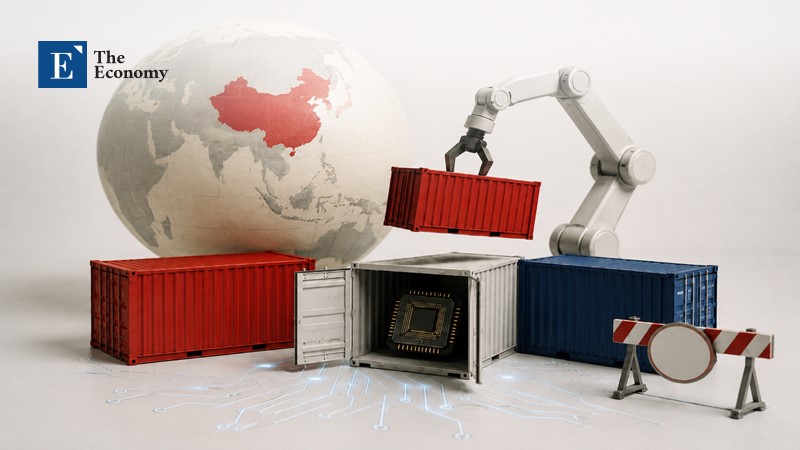
China’s tech-led growth shift is real, but its subsidy model is creating political backlash Europe now sees Chinese overcapacity as a trade and security problem Without fairer competition, China’s growth will face stronger barriers abroad
Read More
Kevin Warsh, the newly appointed Chair of the Federal Reserve, highlights the importance of the trimmed mean inflation measure Relatively stable trimmed mean inflation contrasts with surging PCE and PPI readings Divergent inflation indicators strengthen Wall Street expectations for an extended rate pause
Read More
Fed Officials Converge Around Hawkish Consensus: "Price Stability Comes First" Expectations for Policy Easing Under the Warsh Fed Lose Momentum Bond Markets Move Ahead of Policy Rates as Major-Economy Long-Term Yields Trace an Upward Curve Officials
Read More