The Dark Side of the "Pharmacy of the World": India's Pharmaceutical Industry Continues to Face Chronic Quality Concerns Despite Rapid Expansion

Authored On
Modified
Wave of Drug Recalls and Fatal Incidents Rock India's Pharmaceutical Market
Decades of Accumulated Distrust, Structural Problems Remain Unresolved
Quality Improvements Unlikely in the Near Term Despite Tougher Regulations

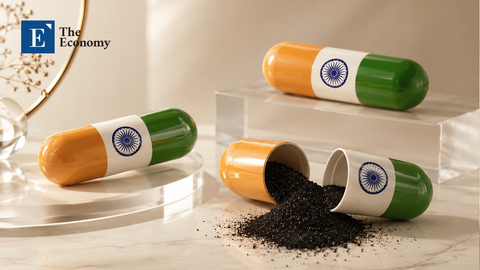
Market skepticism toward Indian-made pharmaceuticals continues to intensify. Although India's pharmaceutical industry has expanded rapidly on the back of generic drugs—medicines that contain the same active ingredients, dosage strength, dosage form, efficacy, and intended use as already approved products—persistent quality controversies remain unresolved. In response, the Indian government has moved to tighten manufacturing and quality-control standards. However, given an industry structure dominated by small and mid-sized manufacturers and the characteristics of the generic drug market, meaningful improvements in product quality are expected to take considerable time.
Persistent Controversies Surrounding Indian Pharmaceuticals
According to the pharmaceutical industry on July 3, India currently supplies roughly 20% of the world's generic medicines, earning its reputation as the "pharmacy of the world." Nevertheless, the country continues to struggle with longstanding quality concerns. One of the most prominent examples is the fatal cough syrup incident in The Gambia. In 2022, the World Health Organization (WHO) issued a global alert regarding four pediatric cough and cold syrups manufactured by India's Maiden Pharmaceuticals. The products were found to contain the toxic industrial chemicals diethylene glycol (DEG) and ethylene glycol (EG), substances commonly used as industrial solvents. Children who consumed the medicines in The Gambia died from acute kidney injury.
The United States also experienced a major outbreak linked to Indian-manufactured eye drops. In 2023, the U.S. Centers for Disease Control and Prevention (CDC) warned that the use of EzriCare and Delsam Pharma artificial tears could expose patients to antibiotic-resistant Pseudomonas aeruginosa. The products were manufactured by Global Pharma Healthcare, based in Chennai, India. According to the CDC, three related products were voluntarily recalled, and nearly 81 people were affected. Some patients lost their vision or underwent surgical removal of an eye, while several deaths were also reported.
More recently, another cough syrup tragedy occurred within India itself. Last year, more than 20 children died in Madhya Pradesh and other regions after consuming Cold Relief syrup manufactured by Sureshan Pharmaceuticals. Local health authorities detected DEG in the product at concentrations reportedly about 500 times above the permissible limit. The company's owner was arrested following the incident, while authorities in Tamil Nadu, where Sureshan Pharmaceuticals was based, revoked the company's manufacturing license and shut down its production facility.
Low-Quality Drugs Remain a Chronic Problem
Concerns over the safety of Indian pharmaceuticals have been highlighted repeatedly for decades. One of the earliest examples was the 1986 J.J. Hospital tragedy in Mumbai, where 14 patients died of acute kidney failure after glycerol syrup used at the hospital was contaminated with DEG. A local investigative committee concluded that the glycerol had been sourced through an industrial supply chain and that both raw-material quality verification and procurement management systems had failed. In 1998, another tragedy occurred in Gurgaon, India, where at least 33 children died from acute kidney failure after consuming cough syrup contaminated with DEG.
Quality-related controversies have also repeatedly emerged within India's generic drug industry. In 2008, the U.S. Food and Drug Administration (FDA) issued an import alert covering more than 30 generic medicines manufactured at Ranbaxy's Dewas and Paonta Sahib facilities in India. Ranbaxy was once India's largest generic drugmaker and supplied medicines extensively to global markets, including the United States. The FDA cited violations of current Good Manufacturing Practice (cGMP) regulations at the facilities and later questioned the reliability of drug approval data submitted for the Paonta Sahib plant. In 2013, Ranbaxy's U.S. subsidiary pleaded guilty to charges involving the manufacture and distribution of adulterated drugs and making false statements to the FDA, agreeing to pay $500 million in penalties.
A similar case unfolded in 2013 involving Wockhardt. Headquartered in Mumbai, Wockhardt had long supplied pharmaceutical products to the U.S. market. However, the FDA issued a warning letter and import alert concerning the company's Waluj facility in Maharashtra, citing deficiencies in its stability testing program and quality management system. The FDA further noted that the company failed to clearly explain whether data labeled as "trial injection" referred to standard solutions or finished-product batch samples during factory inspections. In other words, regulators could not verify which samples had been tested, under what procedures, or which results had been retained as official quality records. In pharmaceutical quality testing, such documentation gaps directly undermine data integrity.

Structural Constraints Continue to Hamper the Industry
Repeated quality controversies surrounding Indian pharmaceuticals stem largely from structural weaknesses within the industry itself. India's pharmaceutical sector is widely regarded as having significant disparities in quality-control capabilities among manufacturers. Large export-oriented drugmakers are subject to oversight by overseas regulators such as the FDA and the European Medicines Agency (EMA), requiring them to comply with relatively stringent standards. In contrast, many small domestic manufacturers and contract producers lack sufficient facilities, personnel, and testing capabilities. The recurring cough syrup fatalities illustrate this problem. DEG and EG are difficult to distinguish visually from pharmaceutical-grade glycerin or propylene glycol and are distributed relatively inexpensively through industrial raw-material supply chains. If manufacturers skip batch testing when receiving raw materials or rely solely on supplier documentation, toxic solvents can easily be incorporated into finished pharmaceutical products.
The intense price pressure inherent in the generic drug industry further compounds these risks. Indian pharmaceutical companies rely heavily on price competitiveness as their primary advantage, leaving little incentive to invest additional resources in facility upgrades, quality management, testing equipment, or raw-material supply chain verification. Regulatory authority is also fragmented. Pharmaceutical oversight in India is divided between the Central Drugs Standard Control Organization (CDSCO), operating under the central government, and state-level drug regulatory authorities. While the central government oversees new drugs, clinical trials, imported pharmaceuticals, and certain quality standards, manufacturing licenses and on-site inspections are largely handled by individual state regulators. This structure creates uneven regulatory enforcement across different regions. Manufacturers licensed in one state may distribute products to other states or overseas markets, allowing quality risks to go unnoticed until serious problems emerge. Moreover, the longstanding regulatory practice of emphasizing post-incident enforcement rather than preventive oversight further heightens these risks.
The Indian government has been stepping up institutional reforms to address these issues. For example, in 2023, India's Ministry of Health and Family Welfare comprehensively revised Schedule M, the country's pharmaceutical manufacturing and quality-control standards. The revised regulations strengthen existing Good Manufacturing Practice (GMP) requirements by raising the bar for quality risk management, equipment qualification, and other manufacturing controls. Large pharmaceutical manufacturers became subject to the new standards beginning in June 2024, while small manufacturers with annual revenue of no more than approximately $290,000 were granted additional time for facility upgrades and workforce training before the rules took effect in December last year. The challenge, however, is that stricter regulations are unlikely to produce meaningful quality improvements in the short term. Commenting on the issue, an industry official said, "India's pharmaceutical industry is overwhelmingly composed of small and medium-sized manufacturers, many of which lack the financial resources needed to modernize facilities and expand their workforce. If regulations are tightened too abruptly, companies that cannot absorb the additional costs are more likely to delay compliance or respond only superficially."
Similar Post