Industry
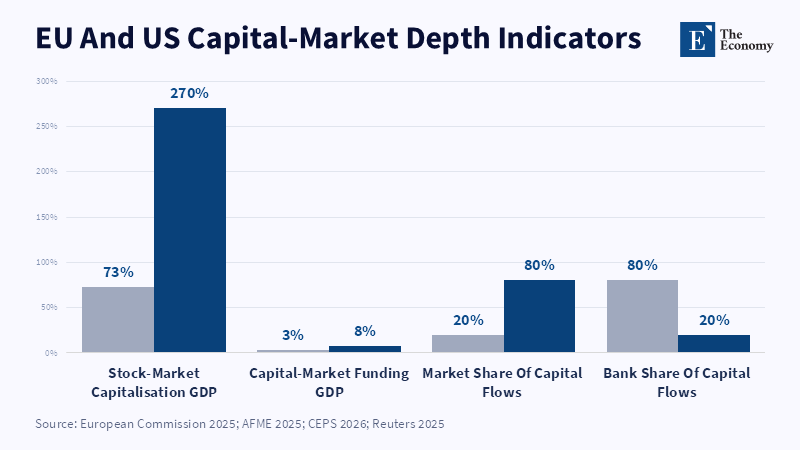
Europe’s capital-market deficit is not one gap, but a system-wide weakness across equity depth, market funding and bank dependence. Related Articles: Europe’s Savings Paradox: Why Abundance
Read More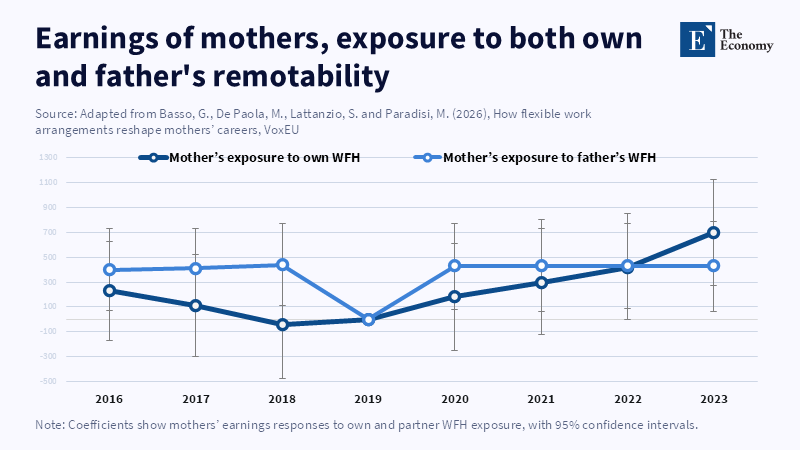
Mothers’ earnings improve not only with their own WFH exposure, but also when fathers or partners have more remote-work capacity. Related Articles: WFH Jobs Are Becomi
Read More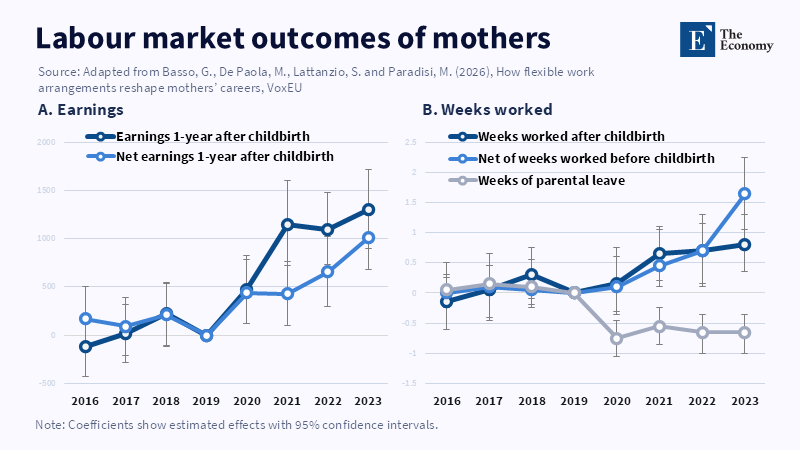
WFH exposure is linked to higher mothers’ earnings and more weeks worked after childbirth, while parental leave falls after 2020. Related Articles: WFH Jobs Are Becomin
Read More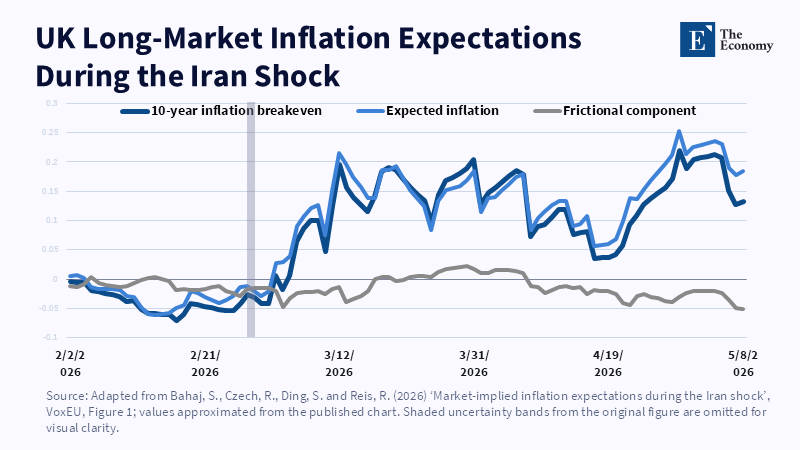
The UK long-market signal rose during the Iran shock, while the frictional component stayed much flatter, showing why raw bond-market inflation signals should be filtered before being treated as true expectations.
Read More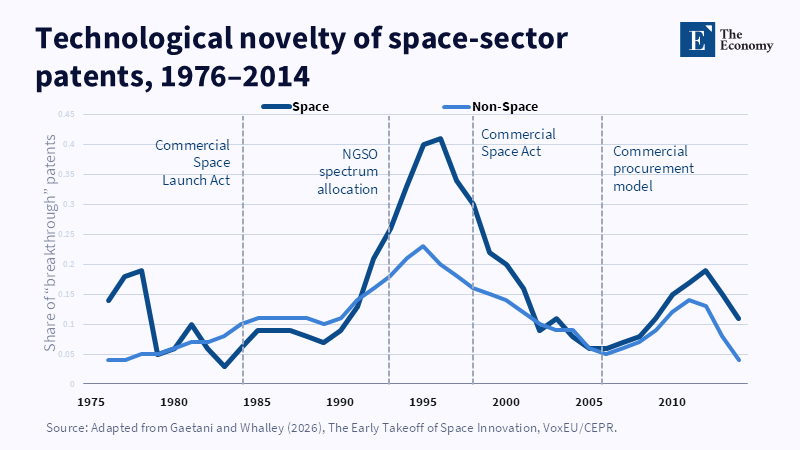
Market-making did not only raise patenting volume; it also changed the type of innovation space firms pursued. Related Articles: Space Innovation Fun
Read More







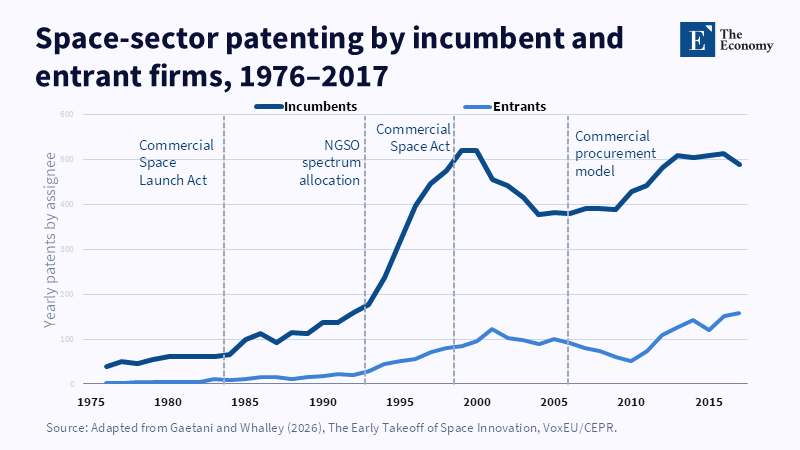
Entrants begin to matter when public rules and procurement make the space market credible. Related Articles: Space Innovation Funding Is the Missing H
Read More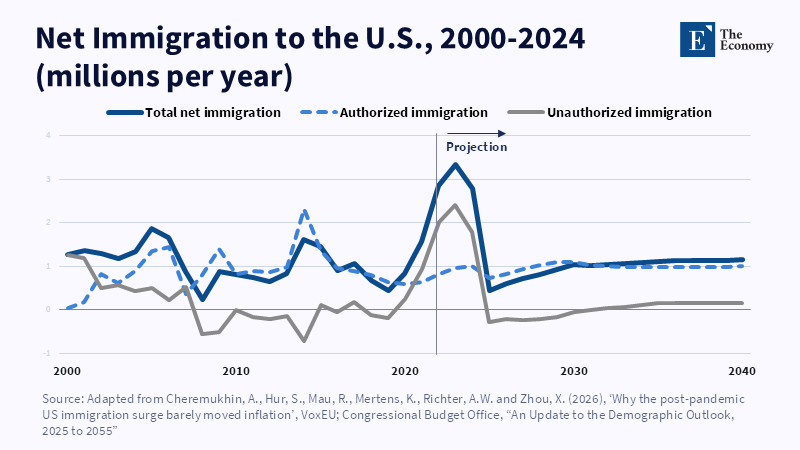
The immigration surge was large, but projections show it was not a permanent doubling of consumer demand.
Read More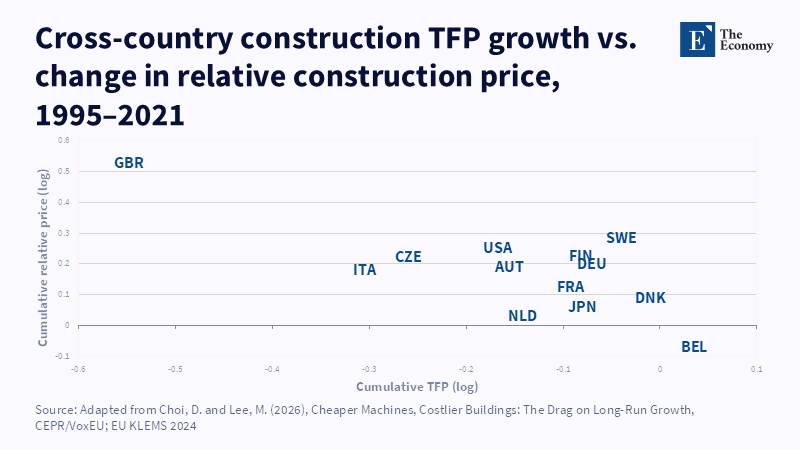
Across advanced economies, weaker construction TFP growth is associated with higher relative construction prices.
Read More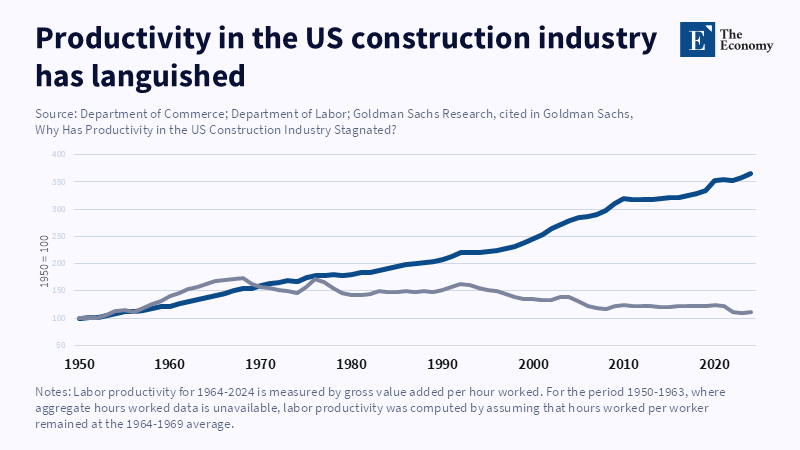
U.S. economy-wide labor productivity has risen sharply since 1950, while construction labor productivity has barely improved.
Read More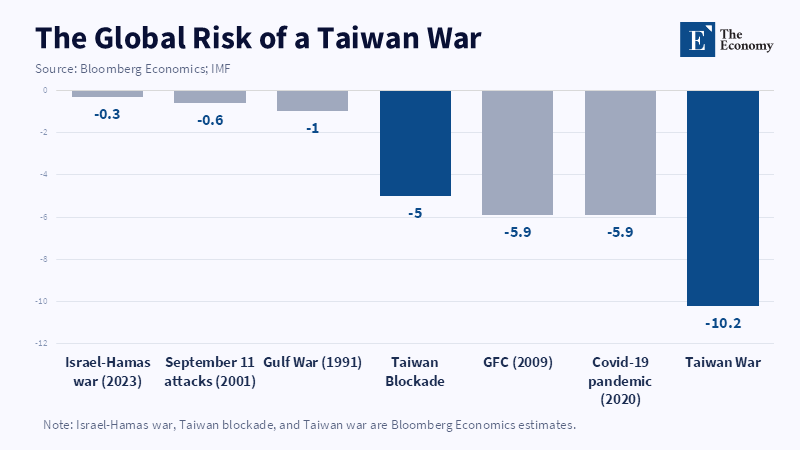
A Taiwan war would not be a regional shock.
Read More
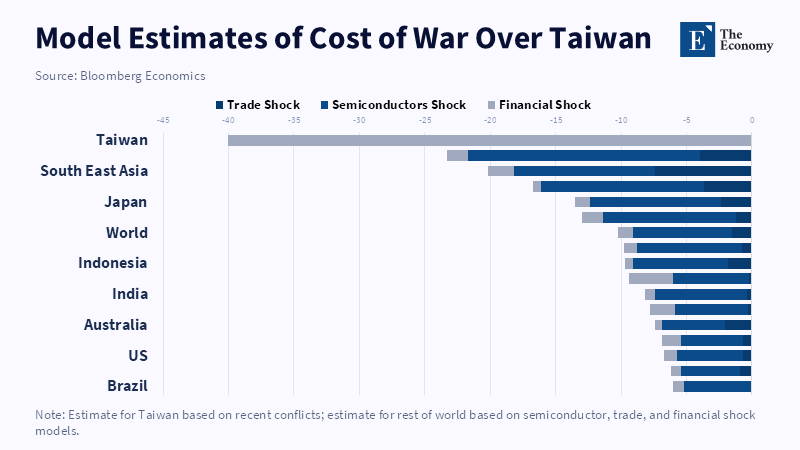
Japan’s exposure in a Taiwan war would come less from direct combat than from chips, trade disruption, and financial spillovers. Related Articles:
Read More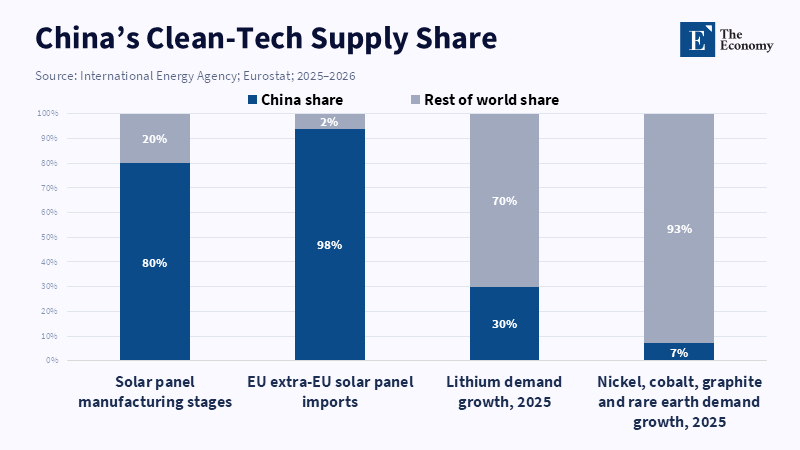
China’s clean-tech dominance shows why cheaper supply can become a strategic dependency problem for Europe. Related Articles: China’s Subsidy Mo
Read More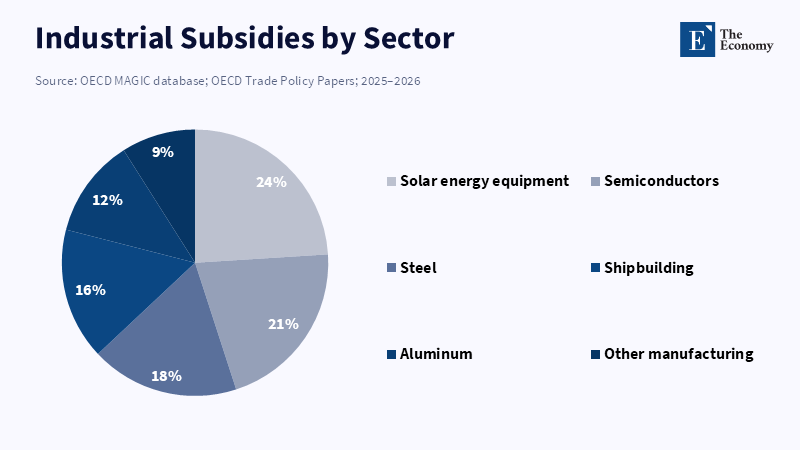
Subsidies are concentrated in sectors that now shape the next phase of industrial competition: solar, chips, steel, aluminium and shipbuilding. Related Articles:
Read More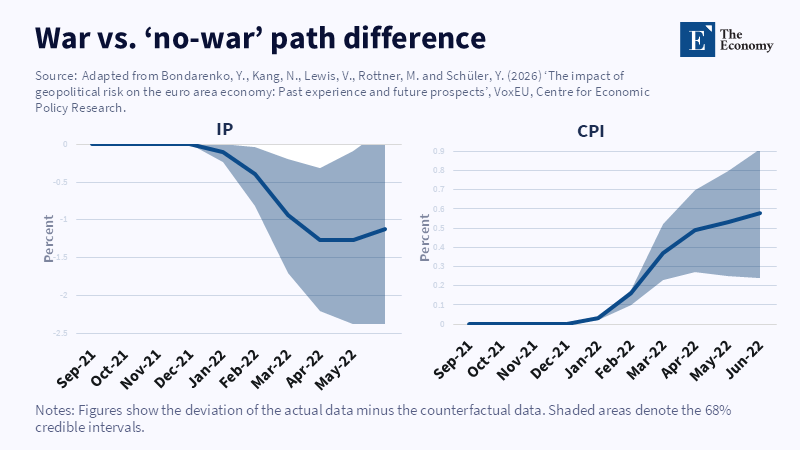
The rise in geopolitical risk following the outbreak of the Ukraine war is estimated to have weighed on eurozone industrial output while driving consumer prices higher. Related Articles:
Read More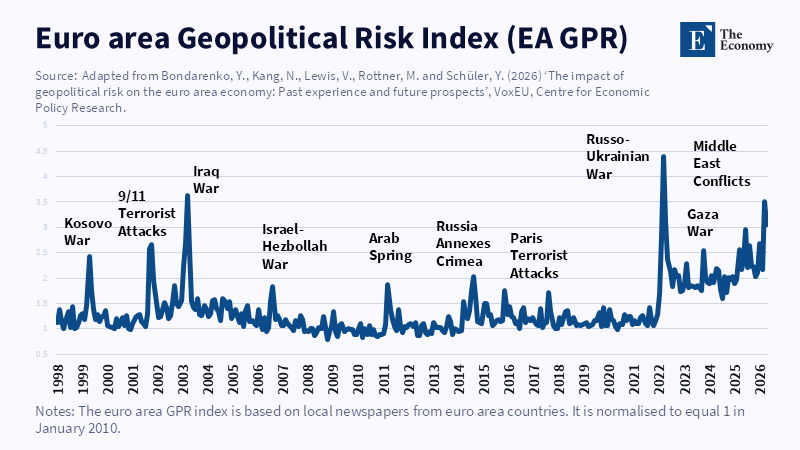
The euro-area GPR index shows why regional measurement matters: after 2022, Europe’s risk signal remained structurally higher than its pre-war norm. Related Articles:
Read More
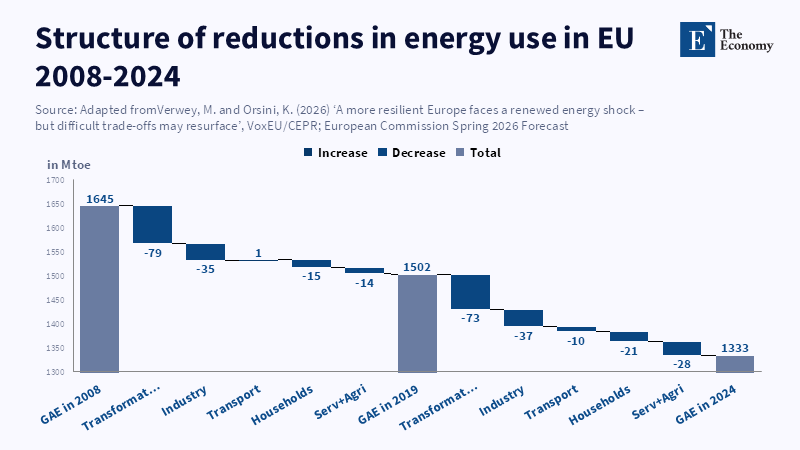
The fall in EU energy use shows adjustment and structural change, but not yet a full escape from imported fuel dependence. Related Articles: E
Read More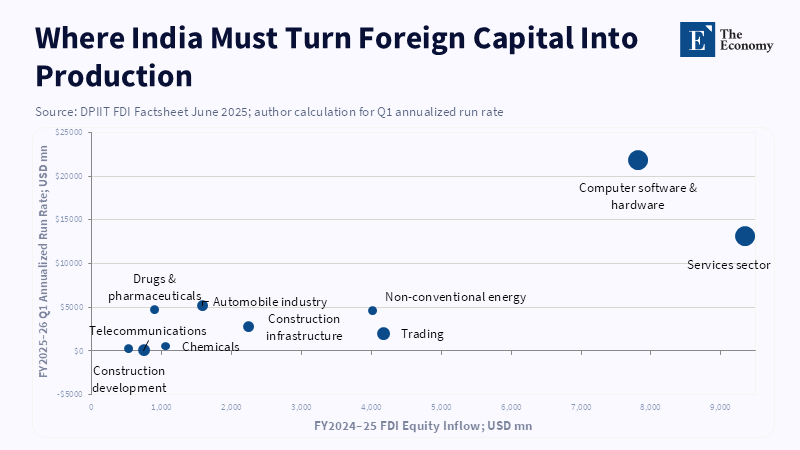
India’s real opportunity lies in sectors where fresh inflows, growth momentum, and long-term FDI depth can become production capacity. Related Articles:
Read More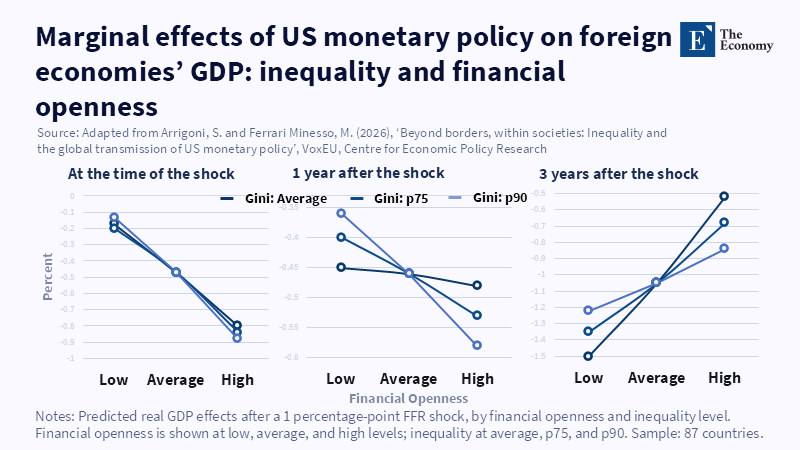
Financial openness changes the transmission channel: the same US shock can ease or deepen the GDP effect depending on inequality and market exposure. Related Articles:
Read More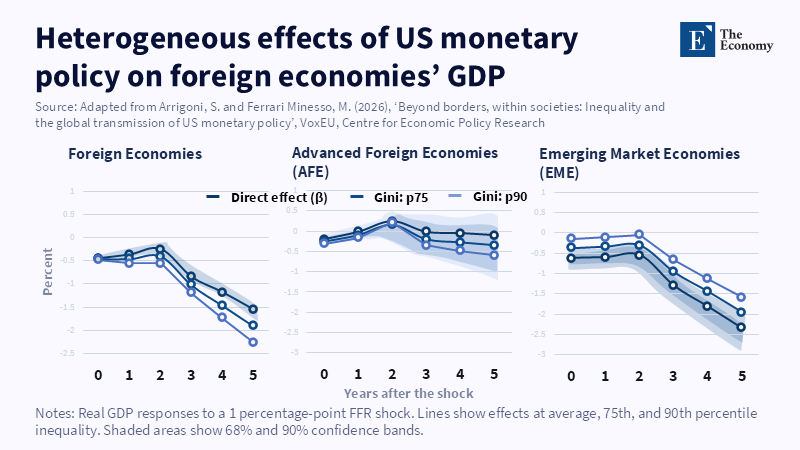
One US rate shock produces very different GDP losses across foreign economies, with emerging markets showing the sharpest delayed decline. Related Articles:
Read More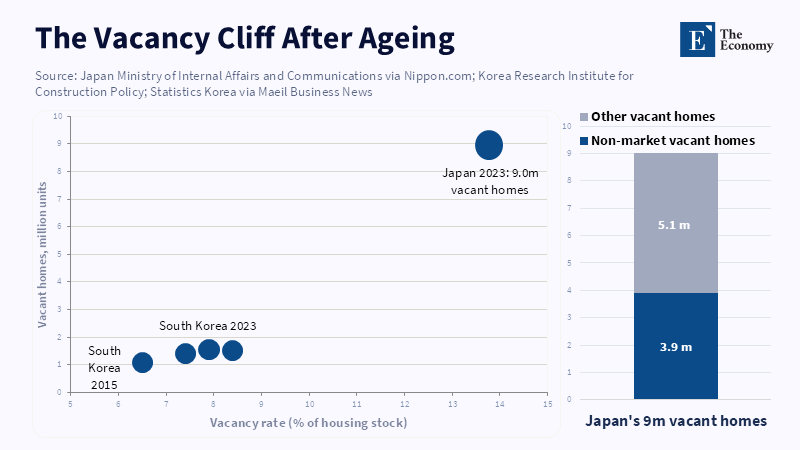
Japan and South Korea show Thailand’s next risk: housing can move from scarce urban asset to stranded local burden once ageing and low births reshape demand. Related Articles:
Read More