
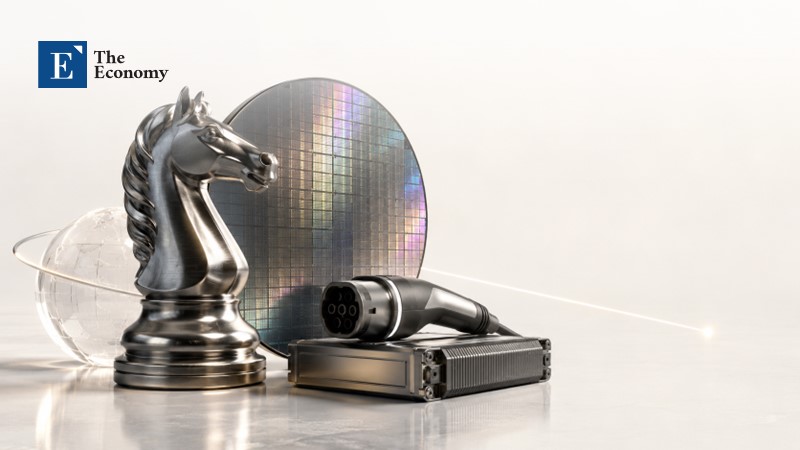
Trade can support peace, but only when dependence is balanced China’s EV dominance shows why openness can become strategic risk A real peace dividend now depends on AI hardware, resilient supply chains, and allied industrial strength
Read More
Europe’s peace dividend is ending Defence independence is becoming a political necessity Europe must now build its own security capacity Europe's peace dividend can be reduced to one sharp turnaround.
Read More
The Economy Research Editorial1,2 1 The Economy Research, 71 Lower Baggot Street, Dublin 2, Co. Dublin, D02 P593, Ireland 2 Swiss Institute of Artificial Intelligence, Chaltenbodenstrasse 26, 8834 Schindellegi, Schwyz, Switzerland
Read More
The Economy Research Editorial1,2 1 The Economy Research, 71 Lower Baggot Street, Dublin 2, Co. Dublin, D02 P593, Ireland 2 Swiss Institute of Artificial Intelligence, Chaltenbodenstrasse 26, 8834 Schindellegi, Schwyz, Switzerland
Read More
Cross-border capital buffers can make one country safer while shifting risk to another Multinational banks expose the limits of national financial regulation Global coordination is now the hardest test for macroprudential policy
Read More






Data center jobs are real, but most local gains happen during construction After launch, many software and operations jobs can be done remotely Dense regions should approve data centers only when land, power, and local jobs justify the trade-off
Read More
R&D tax credits and direct subsidies are not the same tool Tax credits help profitable firms; subsidies help projects start Innovation policy must match support to cash needs, not labels In 2024, China passed the milestone o
Read More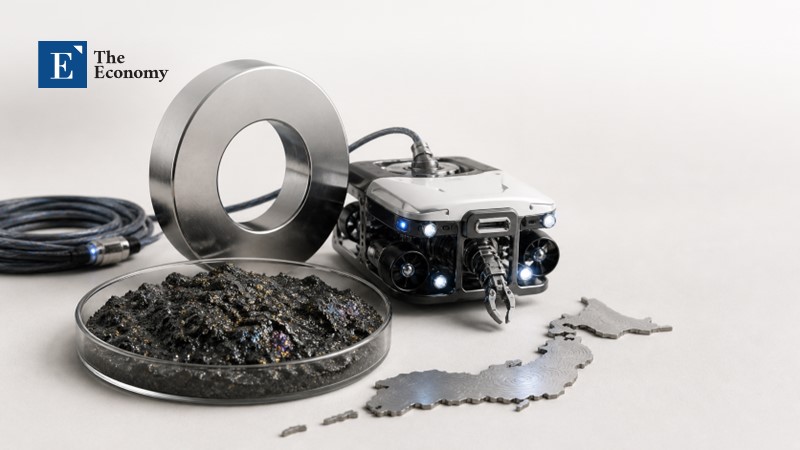
Rare earth security should not become costly self-sufficiency Japan’s deep-sea push shows the price of replacing China The smarter path is allied supply, processing, recycling and stockpiles The danger of rare earth security i
Read More
Fed independence is now central to the dollar’s credibility Political pressure on the Fed can weaken trust, raise risk, and hurt currency value For a reserve-currency country, protecting the central bank is also protecting national financial power
Read More
Cheap AI is becoming expensive infrastructure Usage limits reveal the real cost of heavy AI use The next AI race is about compute, power, and pricing In late March, heavy Claude users ran into a new kind of shortage.
Read More
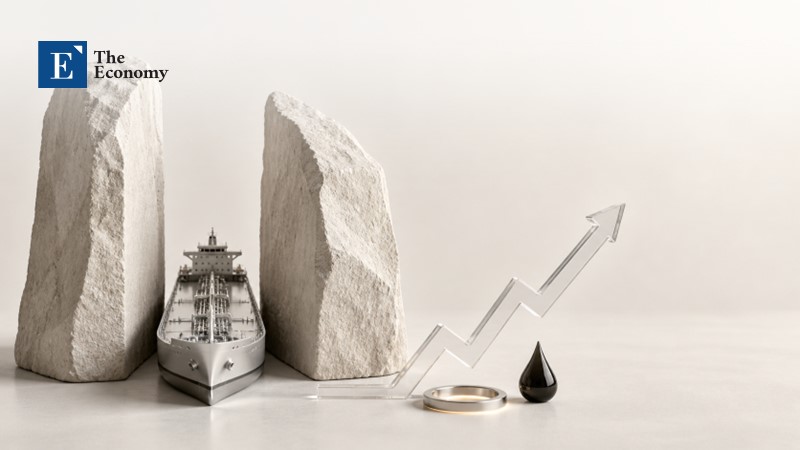
Hormuz inflation depends on reopening speed Fast trade recovery could ease price pressure Policy should track ships before overreacting Every day, an average of 20 million barrels of oil and products pass through Horm
Read More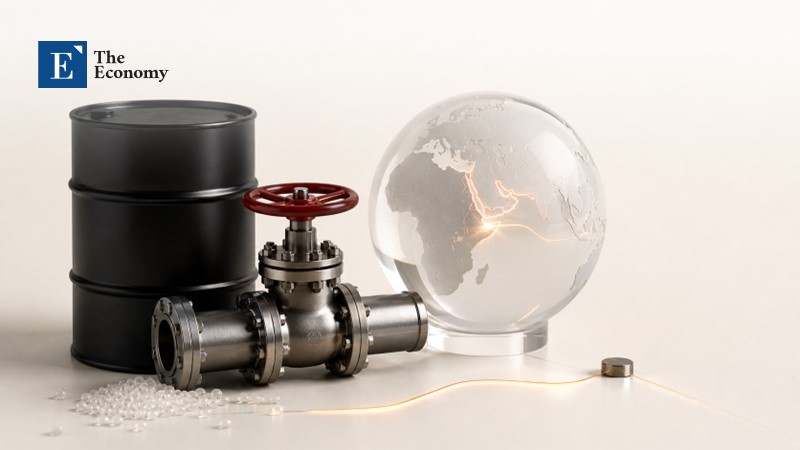
Oil shocks are real supply shocks They spread through transport, food and industry Policy must reduce forced oil dependence The most relevant number in the oil debate today is not the day-to-day price of Brent but rather 20.9 millio
Read More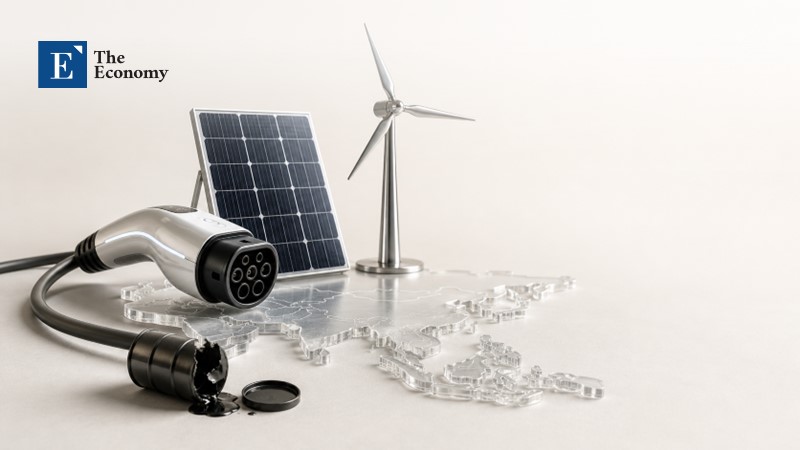
The Iran war has made fossil fuel dependence a direct economic risk for Asia Renewable energy competition is now central to growth, inflation control and energy security China will gain, but India can compete too
Read More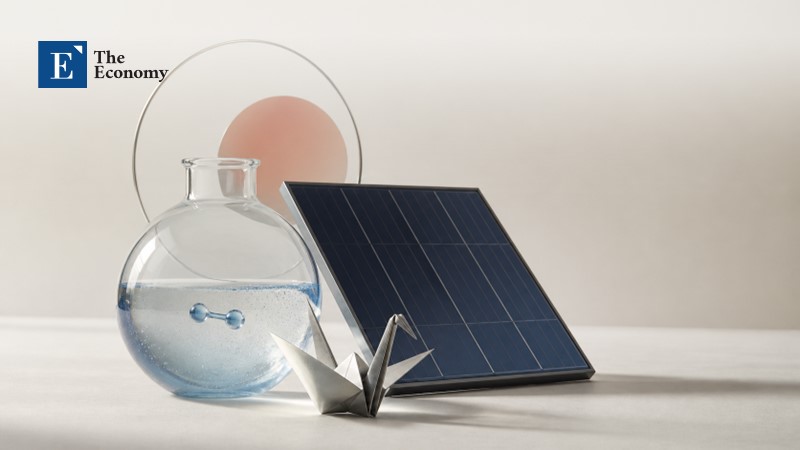
Japan’s hydrogen strategy is not just climate policy; it is a sovereignty bet Solar is cheaper today, but Japan fears dependence on China-led clean-tech supply chains The real task is to expand renewables while keeping hydrogen only for sectors where it can truly cut emissions
Read More
The Economy Research Editorial1,2 1 The Economy Research, 71 Lower Baggot Street, Dublin 2, Co. Dublin, D02 P593, Ireland 2 Swiss Institute of Artificial Intelligence, Chaltenbodenstrasse 26, 8834 Schindellegi, Schwyz, Switzerland
Read More

The Economy Research Editorial1,2 1 The Economy Research, 71 Lower Baggot Street, Dublin 2, Co. Dublin, D02 P593, Ireland 2 Swiss Institute of Artificial Intelligence, Chaltenbodenstrasse 26, 8834 Schindellegi, Schwyz, Switzerland
Read More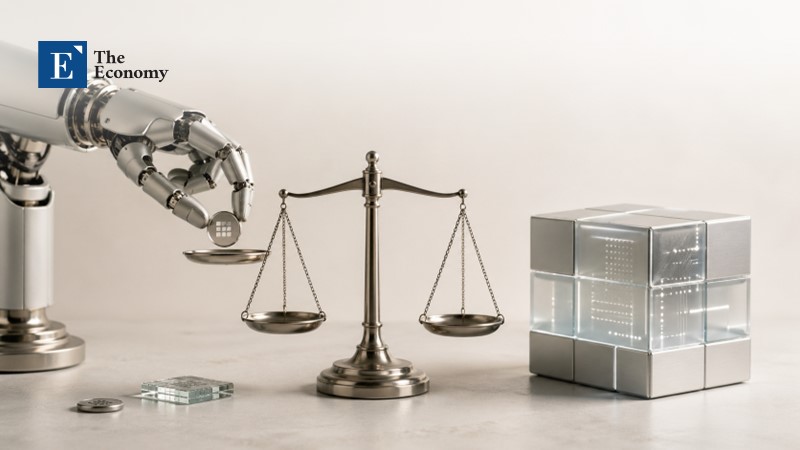
Agentic AI evaluation must measure firm capacity, not just model quality The real AI divide is between adoption and trustworthy scale Strong firms will prove control, value, oversight, and workforce readiness Τhe fact that n
Read More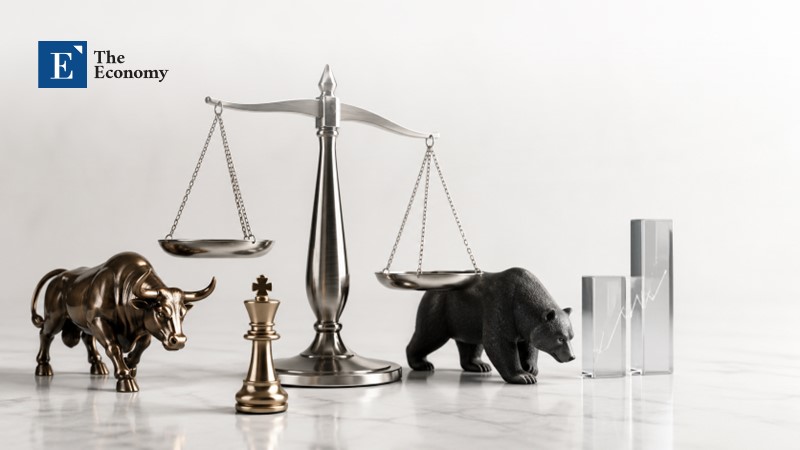
Judge CEO pay by market cycles, not outrage High pay can reflect real risk and value saved Boards must reward skill, not market luck One number puts reason out of count on why the
Read More
Thin-file borrowers need fair data visibility Privacy should protect, not erase proof Better data rules can expand credit access A credit system can be digital and invisible.
Read More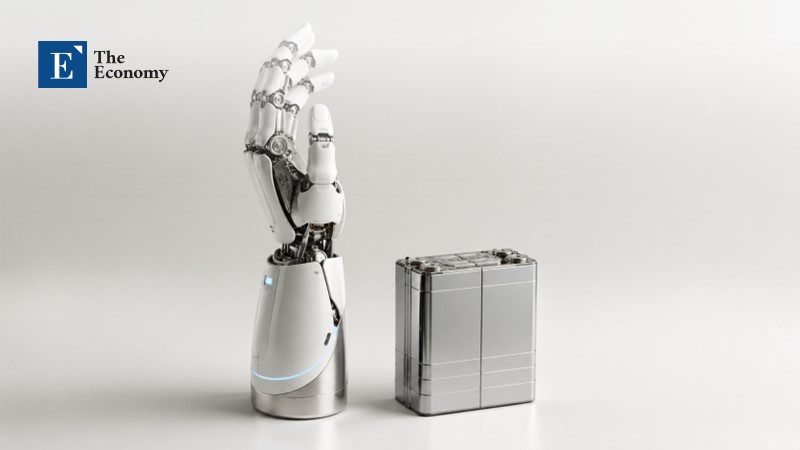
China’s physical AI race is about reliable robot labor, not viral demos China has the scale and cost edge, as it did with EVs The hard test is quality, safety, and real factory use More than half of all industrial
Read More